
Changes After Construction
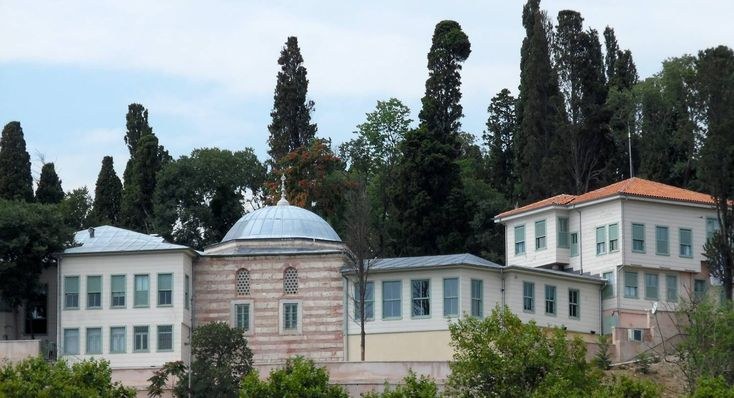
The Yahya Efendi Mosque and its complex were expanded during the reign of Selim II, and after Yahya Efendi's death, his tomb was built by Mimar Sinan.
In 1812, it was ordered to be repaired by Mahmud II, and new dervish rooms were added.
In 1873, it underwent a major renovation under the auspices of Pertevniyal Valide Sultan, Sultan Abdülaziz's mother, and the lodge was expanded.
In 1901, Hacı Mahmud Efendi added a library to the lodge and renewed the fountain that Yahya Efendi had built in 1538.
After its closure in 1925, the lodge continued to be used as a mosque-tevhidhane.
Featured Highlights
The Yahya Efendi Mosque was founded in the 16th century as part of the Yahya Efendi Complex and is strategically located overlooking the Bosphorus.
In addition to the mosque, the complex consists of Yahya Efendi’s tomb, a madrasah, a bathhouse, a fountain and houses. Sheikh Yahya Efendi purchased a large area of land to establish this complex.
Yahya Efendi’s tomb was built by Mimar Sinan during the reign of Selim II and is surrounded by a graveyard containing the graves of many important figures in history.
The complex was used as a center for religious orders during the Ottoman period, later serving the Qadiri and Naqshbandi religious orders.
With its rich architectural texture and location overlooking the Bosphorus, it has become one of the Sufi spiritual centers of Istanbul.
Over time, the land of the complex was incorporated into the Yıldız and Çırağan palaces, and the Yahya Efendi Tomb continues to be one of the most visited tombs today.