
Changes After Construction
The waqf deed dated 23.10.1577 shows that construction in the complex was ongoing; it is considered likely that the construction of the madrasas continued until 1582.
A repair process was carried out for the complex in 1825.
The 1894 earthquake caused major damage to the complex.
Following repairs that began in 1955, the complex was reopened for use in 1963.
In its decision dated 28.08.1991, the Conservation Council requested the preparation of a survey and restoration project for repairs and decided that the madrasa units should be vacated.
The madrasa units are used today for culture and art-oriented workshop functions.
Featured Highlights
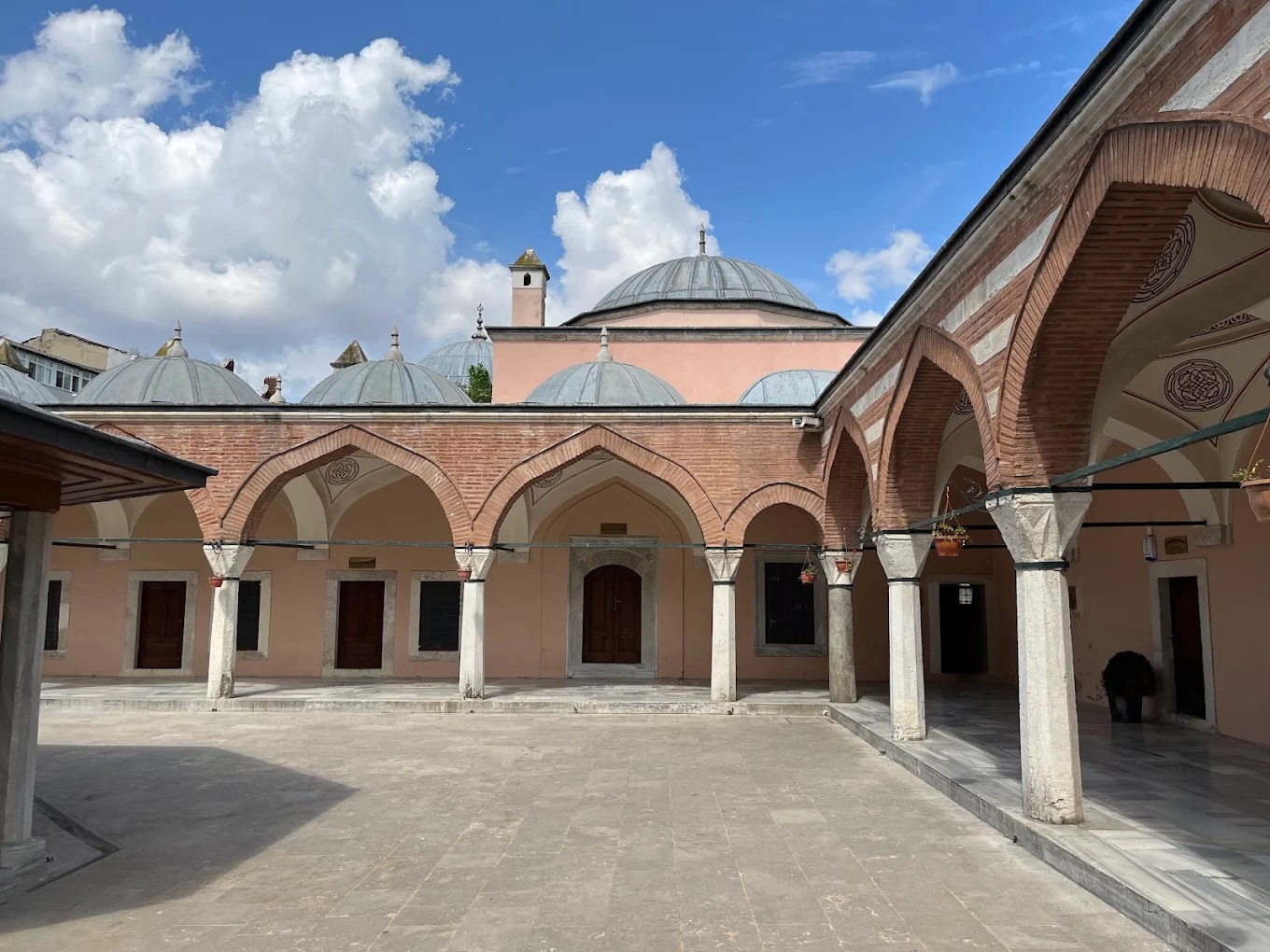
The structure is one of the two madrasa units of the Zal Mahmud Pasha Complex.
The complex was placed on sloping terrain; one of the madrasa units is located at the upper level and the other at the lower level.
The madrasa units are part of the circulation arrangement established by the complex through courtyard gates opening onto two different streets.
In the original program of the complex, the madrasa, tomb, and fountain were planned together; this arrangement reinforces the structure’s educational identity centered on the religious sciences within the waqf system.
The madrasa units located at the lower level are described with an L-shaped layout.